
The Distant Past – Taevaskoda as a Sacred Site
Taevaskoda was a special place even for the ancient Estonians. Suur Taevaskoda (Large Taevaskoda) and Väike Taevaskoda (Small Taevaskoda) are sandstone outcrops nearly 400 million years old. According to folklore, these were sites where war councils were held and rituals performed. Even today, the silence and acoustics of the Suur Taevaskoda clearing are considered sacred—it is said that a whisper there could be heard from a great distance.
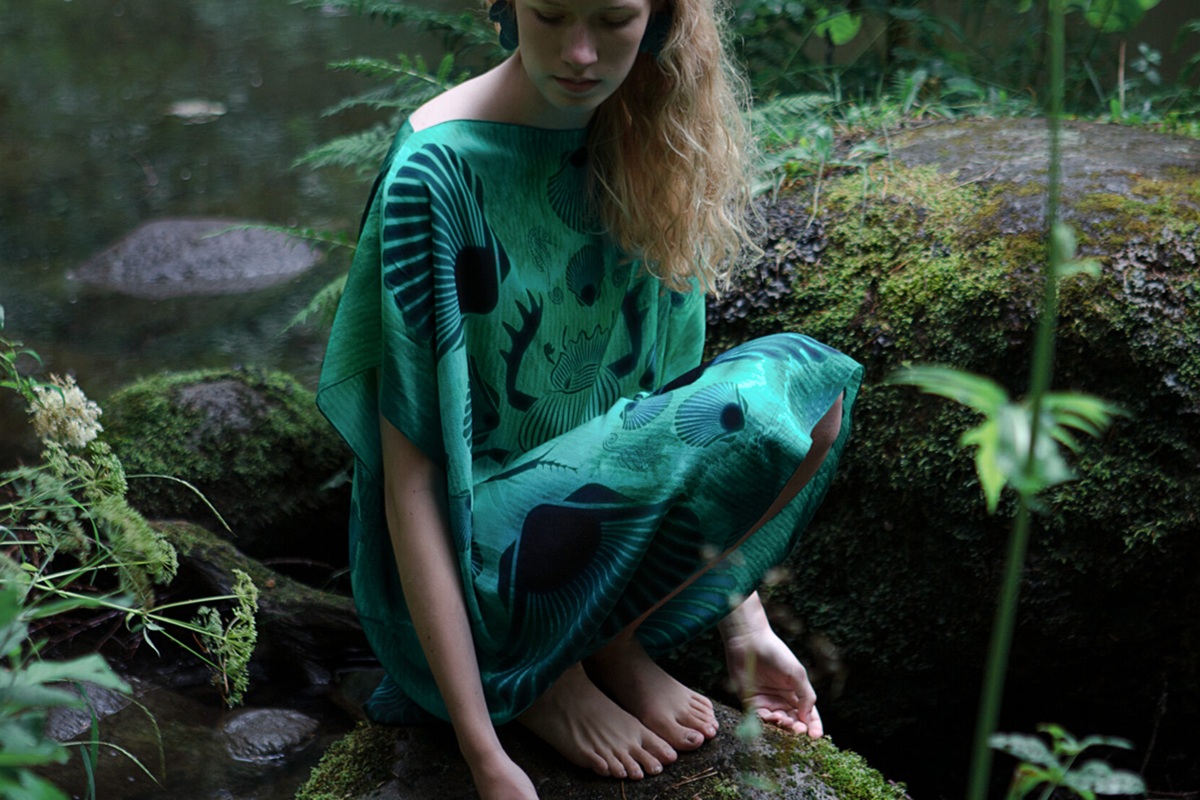
- The Virgin’s Cave (Neitsikoobas): Tales tell of a maiden who lives in the cave, weaving cloth and appearing only on Midsummer’s Night.
- The Mother’s Spring (Emaläte): This source of pure water is said to bring luck and fertility to couples.
Later, Taevaskoda became a private picnic spot for local manor lords, and commoners were forbidden from wandering here. It wasn’t until 1931, with the completion of the railway from Tartu, that the area opened up to vacationers and hikers.
1940s–1950s – The Forest Brothers’ Bunker
In the years following World War II, the forests of Taevaskoda provided refuge for the Forest Brothers—Estonian resistance fighters. Among them was Jaan Roots, one of Southern Estonia’s most legendary figures. He spent several years hiding in these woods while a nationwide search for him was underway. Eventually, his bunker was discovered and destroyed.
Today, the site of the bunker is marked and can still be sensed in the landscape. It remains a quiet, evocative memorial to the Estonian resistance and those who chose the silent but unwavering path of freedom.
1950s–1970s – Electrification and the Reshaping of Nature
The Soviet era brought industrial intervention to Taevaskoda. Bulldozers arrived at this scenic spot to build a dam, destroying beautiful river rapids in the process. The resulting reservoir flooded several unique sandstone outcrops—nearly 28 “taevaskodas” were submerged beneath the rising water.
Today, while the artificial lake is part of the visitor experience (offering trips on the riverboat Lonny), it also serves as a stark reminder of how a technocratic worldview once altered the very essence of the natural landscape.
Modern Day – Hiking Trails and Adventures
The Taevaskoda region offers a variety of trails, from peaceful strolls to longer treks. All paths wind through the primeval valley of the Ahja River, blending forests, cliffs, and legendary sites.
- Taevaskoda Hiking Trail (3 km): The most popular route. It starts at the Saesaare parking lot and leads you past Suur and Väike Taevaskoda, the Mother’s Spring, and the Virgin’s Cave. Suitable for all ages and fitness levels.
- Taevaskoja–Kiidjärve–Taevaskoja Trail (~12 km): A longer loop connecting Taevaskoda with the Kiidjärve Visitor Center. Ideal for those looking for a deeper immersion into nature.
- Taevaskoja–Otteni–Taevaskoja Trail (~4 km): A shorter path leading to the Otteni bridge. This route features locations used in the filming of the famous Estonian cult classic movie, “The Last Relic” (Viimne reliikvia).
Active Adventures
Beyond hiking, you can enjoy canoe trips on the Ahja River, bogshoeing, or even kick-scooter and sledding tours. The Kiidjärve Visitor Center provides detailed information on the valley’s natural values, cultural heritage, and recreational opportunities.
Where to go? What to do? The choice is yours—whether you seek the silence of ancient spirits or the thrill of a river adventure.